.svg)

The Room Where the Parents Exhale
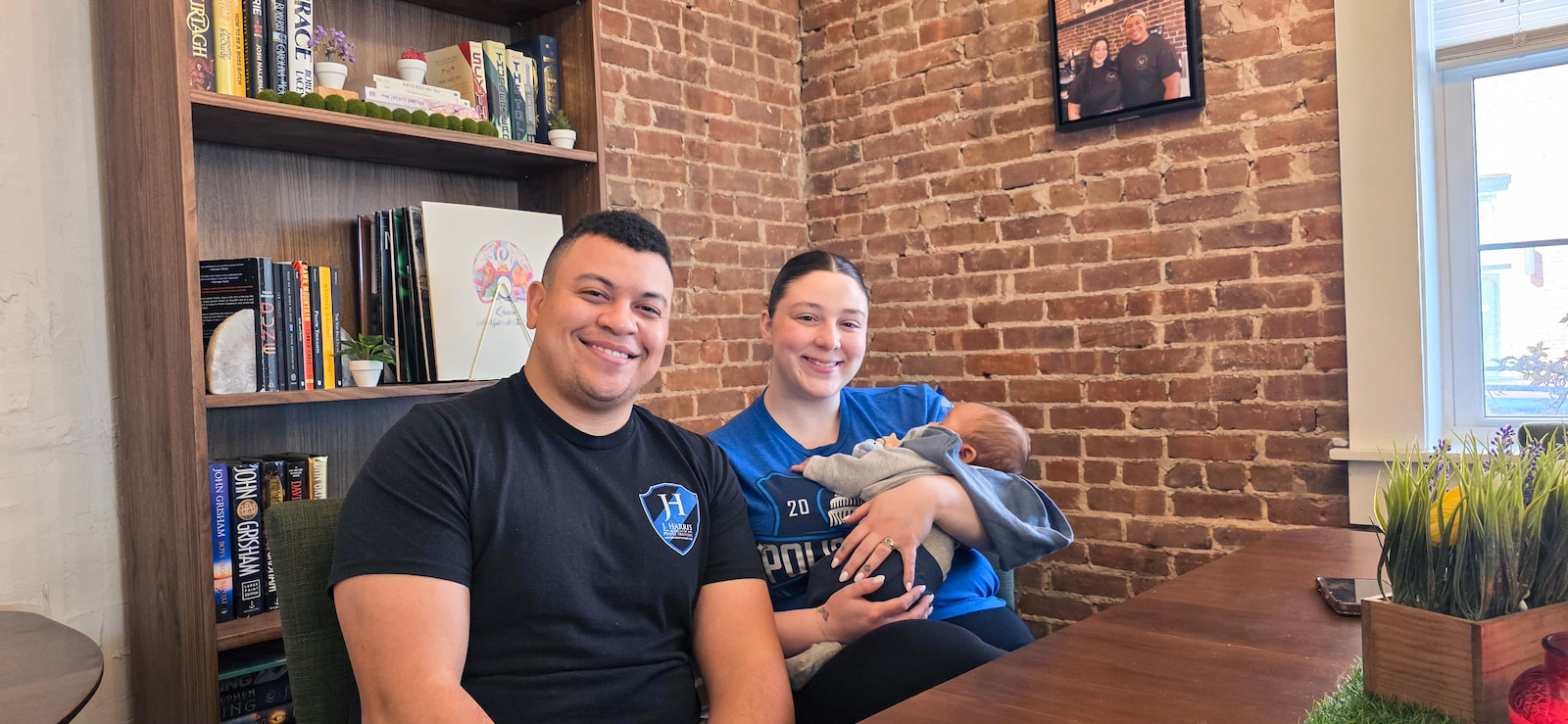
It was winter, and there were 3 minutes until the bus. Adam had come downstairs and sat at the door to put his socks on, the way he always did. He got one sock on. Then he stopped, stood up, crossed the room to a bin the family had been working in the night before, lifted out a Christmas ornament, and carried it to the tree.
His mother watched him go — one sock on his foot, the otherstill in his hand.
“What are you doing? We've got to get to the bus in 3 minutes.”
“Oh. I was putting on my socks, but then I remembered I needed to finish putting this on the tree from last night.”
Jessica calls it the one-sock morning. “That was my breakthrough moment, “she says. “I really got to see my son. This is not on purpose. This is in him. This is who he is.” Adam is 12 and has ADHD. What looked from the outside like a boy ignoring his mother was a boy who could not carry an unfinished task any further without first setting it down. “It really let me zoom out and see my baby for the first time.”
%20(1).jpg)
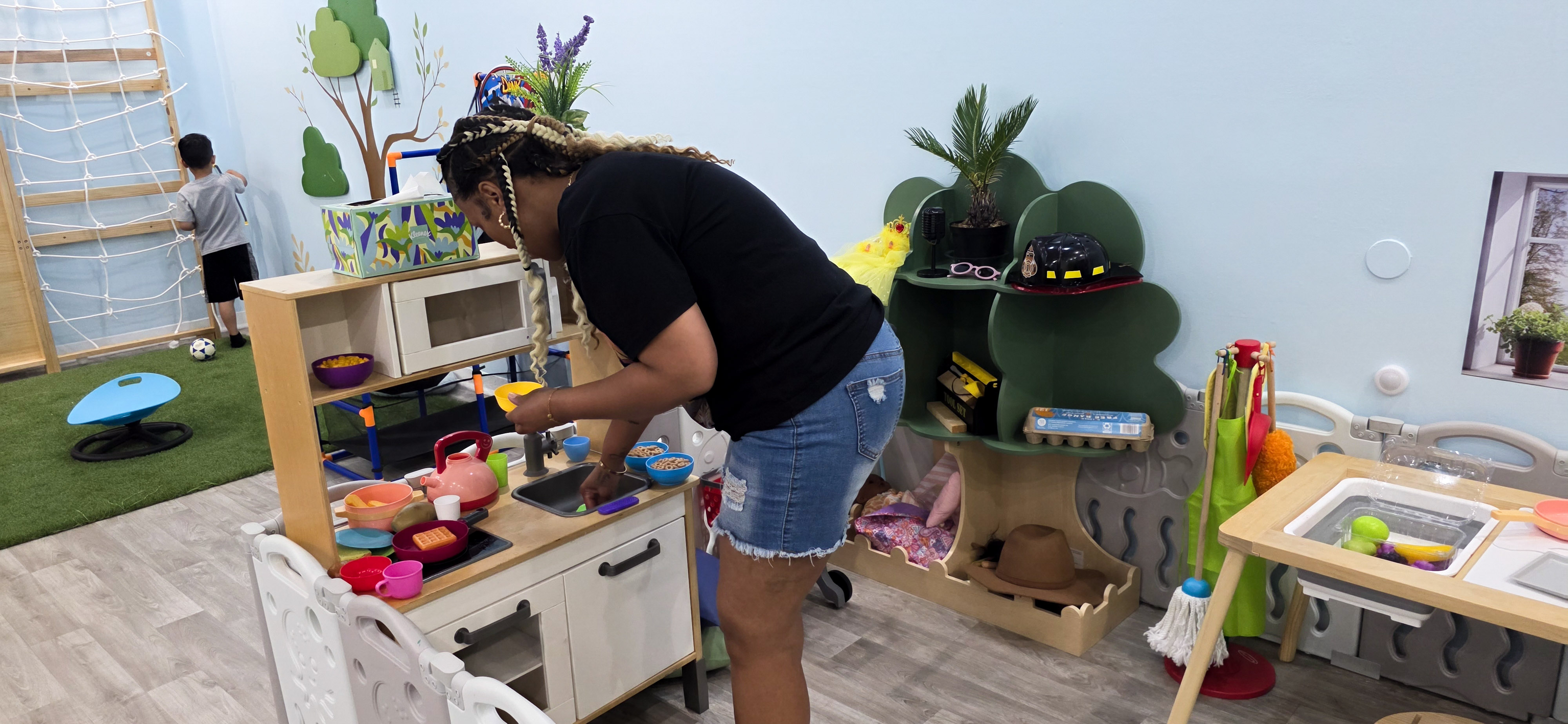
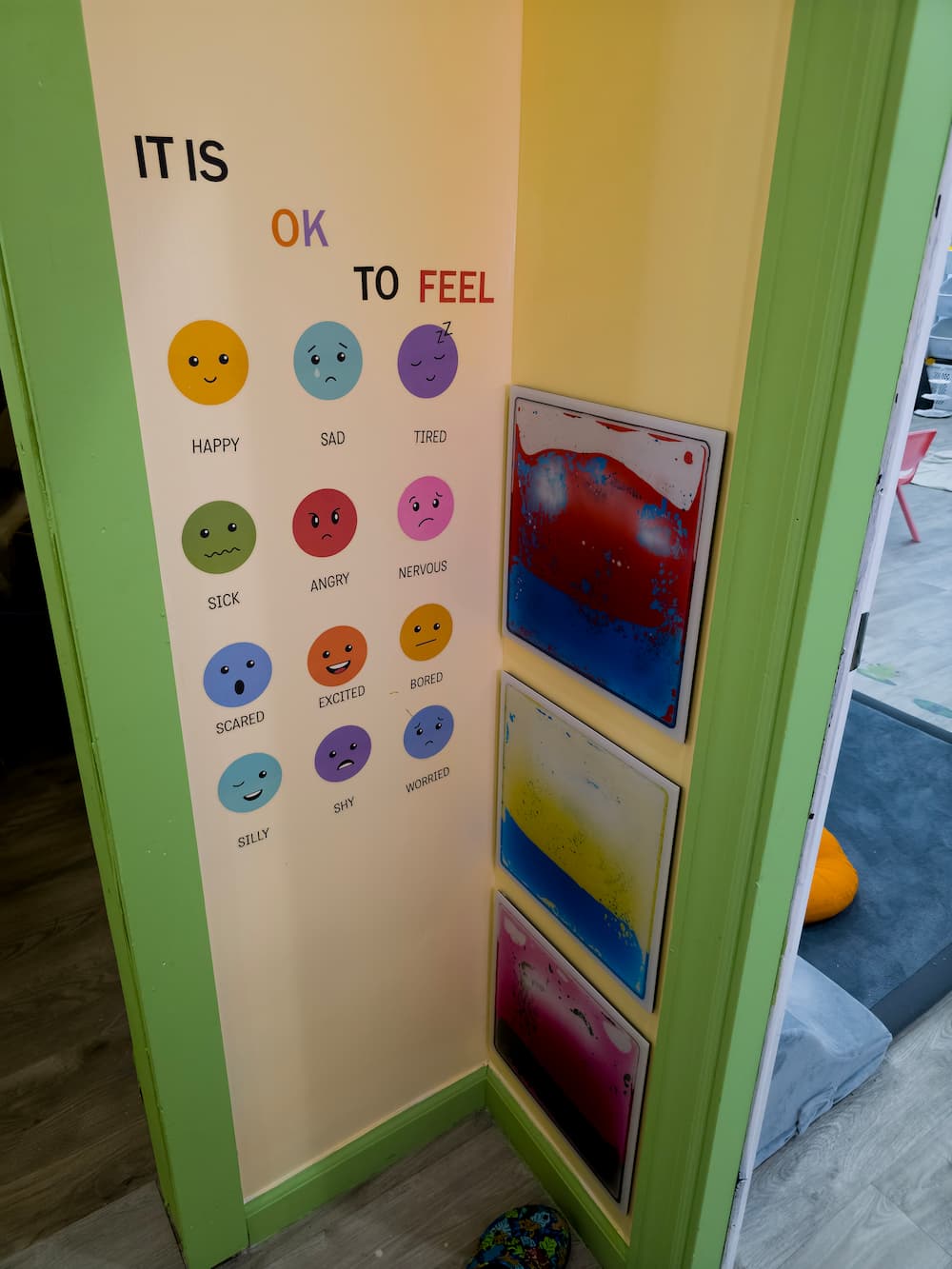
What she built out of that morning is JR's Sensory Play Garden, at 885 Broadway — hour-long play sessions for children from birth to 8,capped small, in a space arranged to bend around the child instead of asking the child to bend. When Adam was younger, nothing bent. The family left birthday parties early, and sometimes left the beach, because the environment was too much and he needed to go. “This was my ode to what we went through when he was growing up,” Jessica says: somewhere with space for big emotions instead of a reason to leave.
What she did not expect is how much of the work would turnout to be for the grown-ups.
Jessica knows the exact moment a parent stops bracing. They arrive apologizing. They over-explain. They trail their child around, straightening whatever he has just pulled out, waiting for somebody's patience to run out — because in most rooms it eventually does. “They've been in environments where they feel judged”, she says. “They come here expecting that same experience.”
Then, 15 or 20 minutes in, the bracing stops. “We see the shoulders drop. The fists un clutch. The jaw starts to relax a little bit. The smile comes out. We watch that transformation from the door all the way in. ”Which is why she pushes back on the idea that a sensory space serves only one kind of child. “People get it wrong that this is only for neurodivergent kids. We all get dysregulated. This space is equally beneficial for moms to come and regulate.”

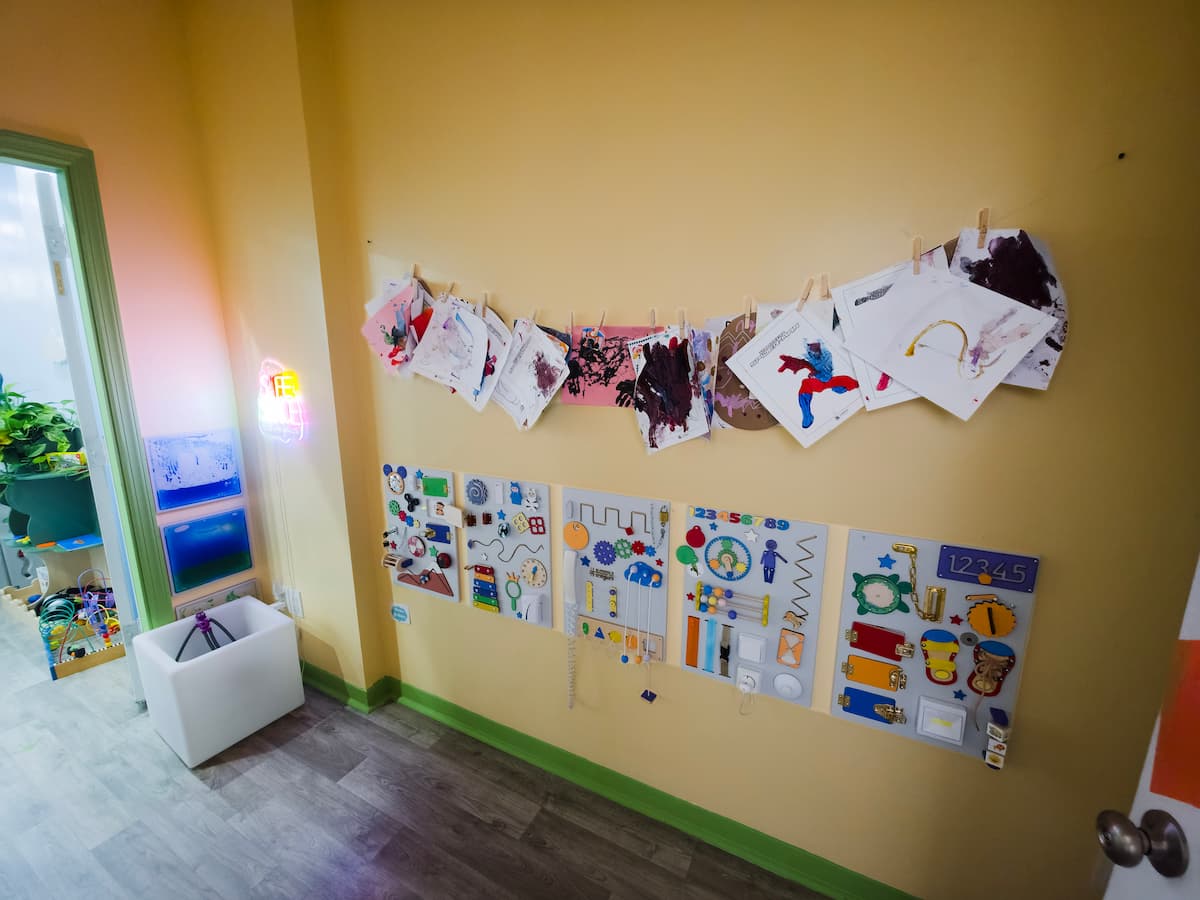
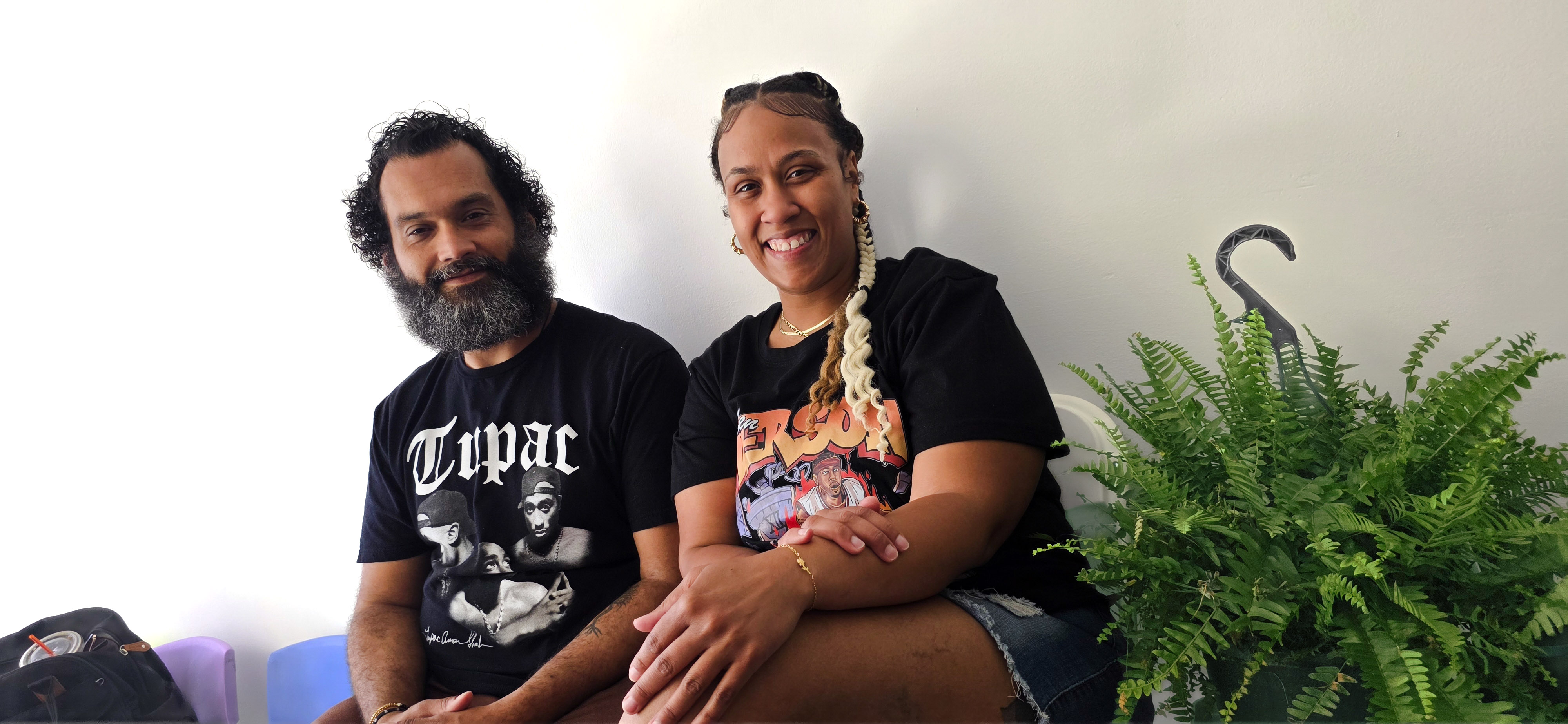
The name holds both of them: JR's is Jessica and Rani's ,which is also how it gets said aloud — Junior's. “It's a combination of us,”she says, “and this is our baby.”
Jessica relocated from Buffalo, owned a daycare for years, ran sensory-friendly gardening classes in parks and other people's play spaces long before she had a space of her own, finished her master's a few weeks before we spoke, and has a book coming called "The ABCs of ADHD, "which opens on the one-sock morning. Rani has spent more than 20 years in the school system as an administrator, and still works in schools. The idea was hers, and she made him sit down for it. “I was like, okay, sit down, listen tome — this sounds crazy.”
It did not sound crazy to him. Bayonne already has real support for children with special needs outside the school system, he points out; what was missing was intimacy — a smaller space, fewer children, adults with time to watch.
So, the house rules run against how a business like this usually works. “Everything is an invitation,” Jessica tells nervous parents at the door. “Nothing is a requirement.” Her favorite line, for the ones still hovering with a wipe in hand, is that Ms. Jess loves a mess. And when she calls it a family business, she means the inconvenient part too: they have four children, and if somebody has a dentist appointment, the doors stay shut.
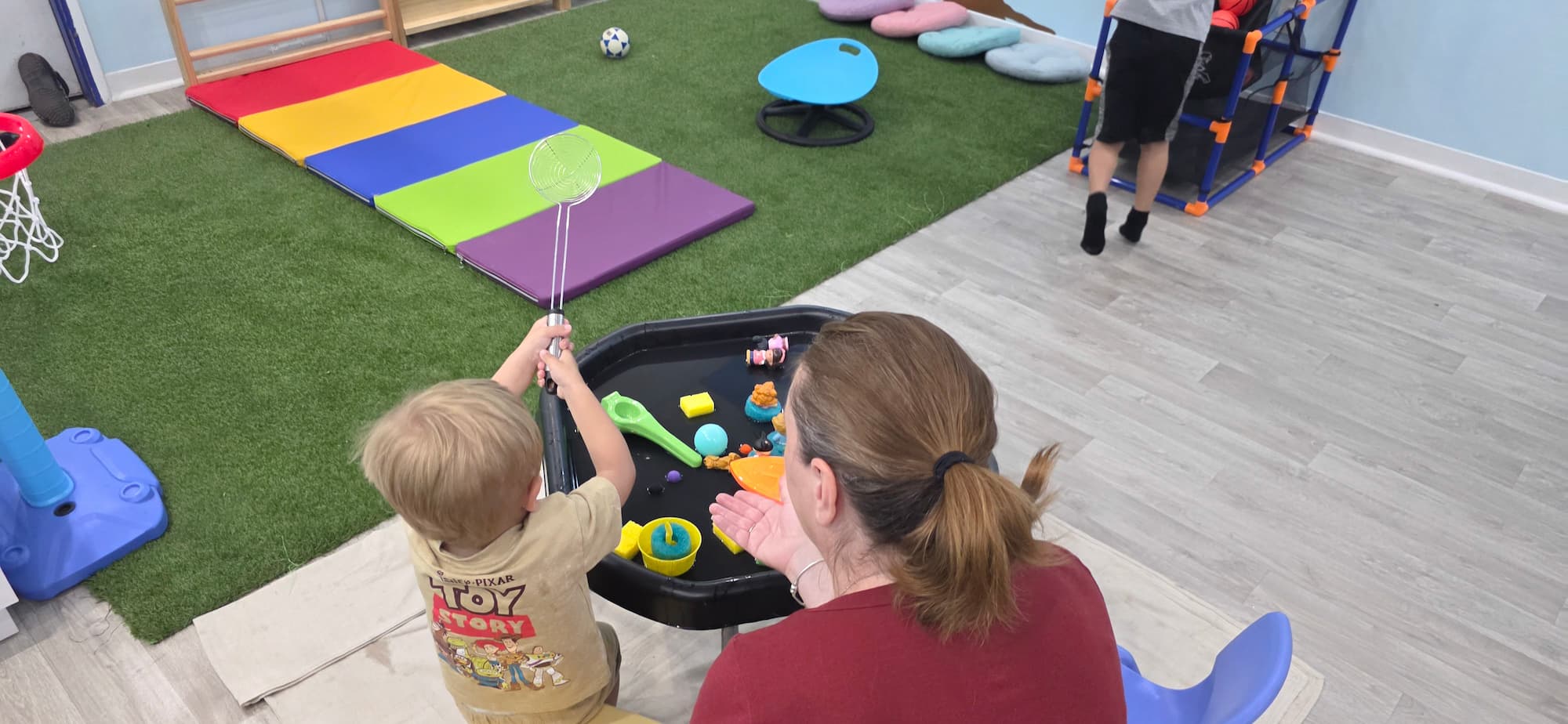
The week has a shape — infants and toddlers one day, water the next, small crafters after that, basketball on Sunday — and the particulars move, so check the schedule before you go. Her advice is to cherry-pick, because not every session suits every child, and that is rather the point.
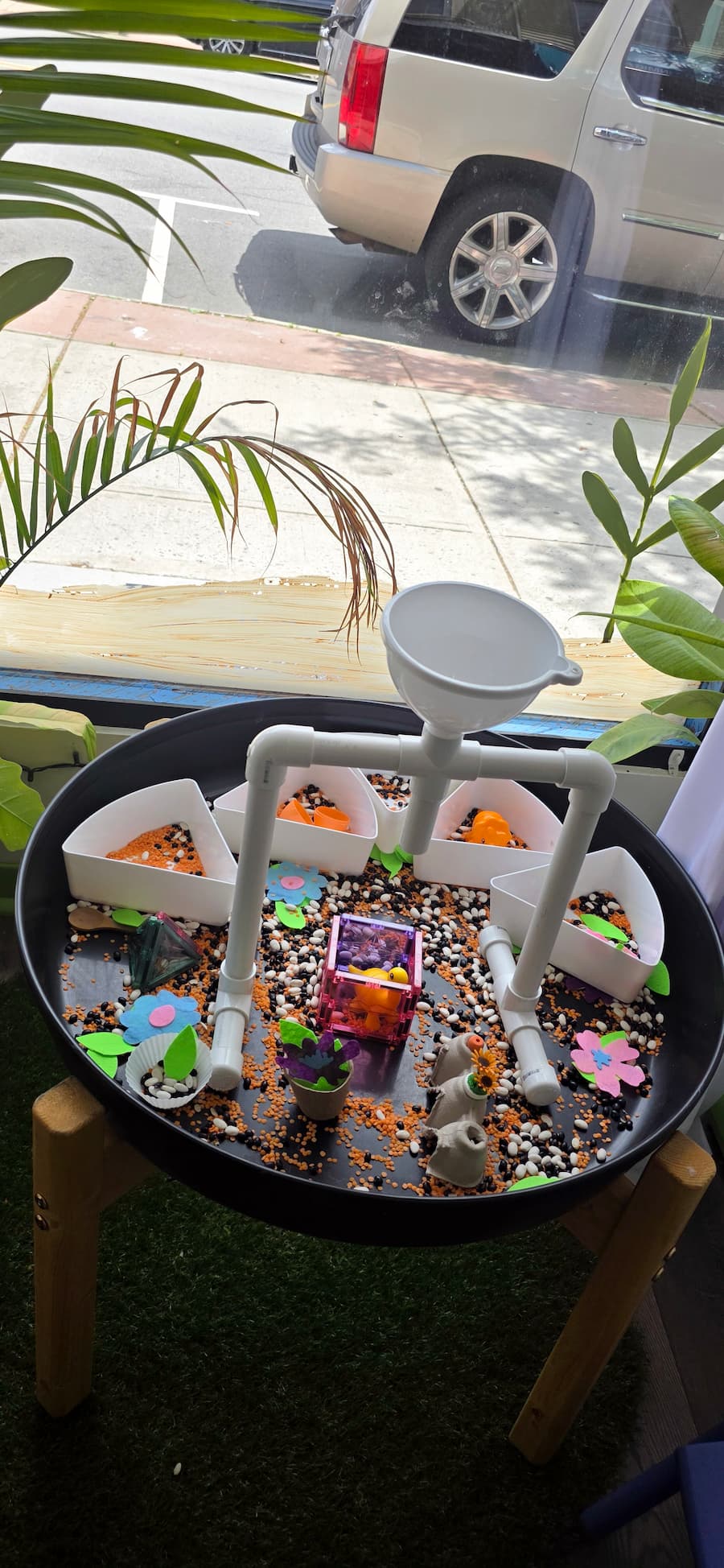
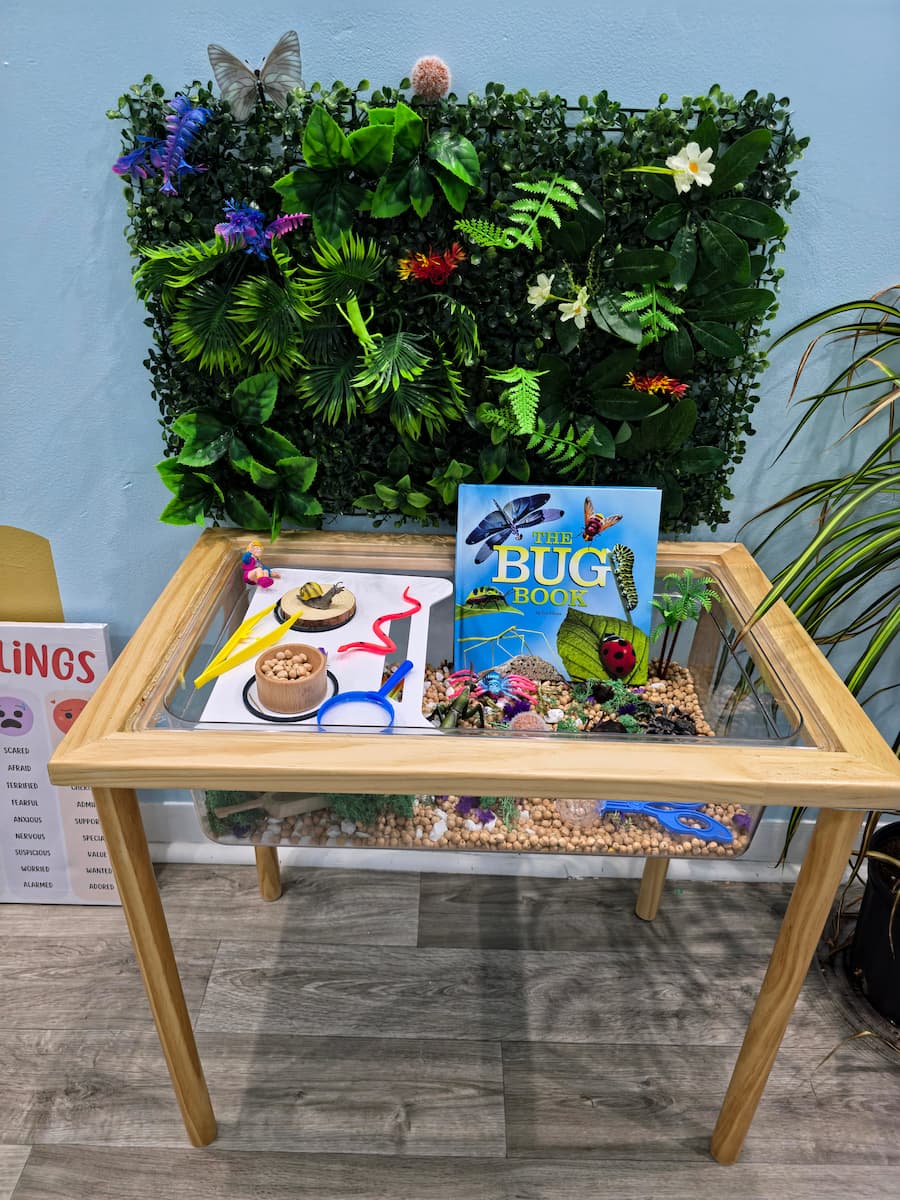
Holding it together is a garden, and the garden is not decoration. Children water plants they have been made responsible for. Real dirt comes out, and real seeds, and she sits the parents down in it beside their kids — including the ones who have never planted anything in their lives. She cuts herbs fresh for the adults' tea. And she makes an offer to any parent who has plainly reached the end of something: “You take a load off in the front, let me give you some tea. We got the kids.”
Rani recognized all of it from the inside, because he'd lived it. He has ADD — a diagnosis he didn't get until well into adulthood —and he sees his own patterns in his kid now. Growing up, he knew his friends were checklist people and he wasn't. Between 13 and 18, he worked 8 or 9 jobs , mastering each one and then losing interest. "I'd realize, okay, I've mastered this, I don't want to do this anymore. And then I go on to the next thing, and on to the next thing." Only one thing ever held him: education. "I've really seen myself in the kids. I see a lot of the people I grew up with in the kids."
He is disarmingly funny about a household in which two people share the same wiring. “I get frustrated with him, and he gets frustrated with me, and then she gets frustrated with both of us.” Jessica keeps it pointed in one direction. “Jess has been a great captain. When there is conflict, we stop, we address it, and we try to organize the family back around making sure we have a common goal.”
What neither of them planned for is what the parents at Juniors began doing with one another. “It's become a collective experience, ”Rani says — “some parents show up mostly just to be around other people having the same kind of week”. And because the children are different ages and differently wired, they learn something here a classroom cannot easily teach He describes a boy with big emotions about sharing, and the other kids watching how the adults handle it. “In a traditional school setting, a teacher is going to either remove that kid, or that kid is going to be isolated, and then the other kids won't get to learn how to experience that type of response. ”He says it as a 20-year administrator, careful about where the fault lies: teachers do not have the time or the space.
Jessica measures it by something smaller. A mother messaged her about bedtime — she had told her daughter goodnight and that she loved her, and the girl answered: “well, I love Ms. Jess.” It is the kind of verdict she trusts. “Little people know. They know if you're a good person or a bad person. When they come in here and their energy is big and they're open, they see you as part of their inner circle. That is it for me.”
What she hears most from parents is that there is no place like this in Bayonne, and her feelings about that are complicated. “I celebrate it, but a part of me feels saddened that this is not the experience kids are able to get in a traditional school system.” It is also what keeps them going: figuring out how to make this work long-term, for the community.
JR's Sensory Play Garden — [885 Broadway,Bayonne, NJ 07002]
Ages birth to 8, hour-long sessions, capped small.
Check the schedule before you go. And if you are the one who needs 20 minutes on the couch, say so at the door — that is what the tea is for.
*If it makes you smirk, smile, or sigh a little — it's BayonnePulse.*